What Councillors Do
Councillors are elected by local people to represent their communities and help make decisions about the services and issues that affect residents' daily lives.
As a councillor, you would act as the voice of your community, working with residents, businesses, community groups and partner organisations to make a positive difference in your ward and across the district.
While councillors make decisions and set priorities, council officers are responsible for delivering services and implementing those decisions on a day-to-day basis.
Above all, councillors are local leaders who help shape the future of their communities.
Representing Your Community
Councillors represent everyone who lives in their ward, not just those who voted for them.
A large part of the role involves listening to local people, understanding their concerns and helping them find solutions. This means building relationships, supporting communities and ensuring local voices are heard when decisions are made.
Councillors regularly:
- Talk with residents by phone, email, letter and social media
- Attend local events, community meetings and drop-in sessions
- Respond to residents' concerns and queries
- Help resolve local issues such as housing, planning, environmental or community safety matters
- Keep residents informed about local issues, projects and opportunities
This work is often referred to as casework and can make a real difference to people's lives.
Making Decisions
Councillors help make important decisions about local services, spending and priorities.
This includes:
- Setting the strategic direction of the council
- Developing policies and plans for the district
- Making decisions about budgets and the use of public funds
- Reviewing and scrutinising council performance
- Ensuring services meet the needs of local communities
To do this, councillors read reports, consider evidence, listen to residents and discuss issues with fellow councillors before reaching decisions.
At Blaby District Council, Councillors have the opportunity to get involved with Scrutiny. Scrutiny gives non-Cabinet councillors an important opportunity to examine decisions, hold decision-makers to account and recommend improvements to council policies and services.
Additional Responsibilities
Some councillors take on additional leadership roles within the council.
These may include:
- Cabinet or Executive positions.
- Committee chairing roles.
- Membership of planning, licensing or regulatory committees.
- Championing particular issues or projects.
- Representing the council on partnership boards and external organisations.
These roles carry additional responsibilities and provide opportunities to influence specific areas of council business.
Standards and Conduct
Councillors are expected to uphold high standards of behaviour and act in the public interest.
All councillors must follow the Council's Constitution and Code of Conduct, which set out the standards expected of those in public office. Councillors are also guided by the Seven Principles of Public Life: selflessness, integrity, objectivity, accountability, openness, honesty and leadership.
What About Politics?
Many councillors are members of political parties, while others serve as independent councillors.
Political activity can form part of the role and may include attending meetings, engaging with residents, campaigning and undertaking training and personal development.
However, regardless of political affiliation, all councillors share the same responsibility to represent and serve their communities.
A Role That Makes a Difference
No two days as a councillor are the same. The role is varied, challenging and rewarding, offering the chance to improve people's lives and shape the future of the local area.
Councillors have helped to:
- Support residents facing housing or welfare issues
- Create community gardens and green spaces
- Support vulnerable families
- Secure investment and regeneration in local communities
- Bring communities together to shape local projects and services
For many councillors, the greatest reward is seeing the positive impact their work has on the community they represent.

Councillor Royston Bayliss
"What I enjoy most about being a councillor is the chance to contribute to important decisions, gain insight into how the council operates and help improve services for residents"
----------------------------------------------
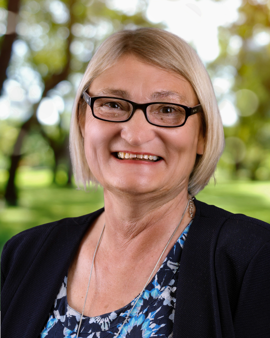
Councillor Maggie Wright
"I became a District Councillor to ensure my communities have a voice in the decisions that shape their future"
----------------------------------------------
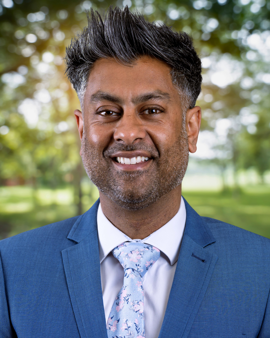
Councillor Dillan Shikotra
"I became a councillor because I wanted to make a real difference to people's lives. By listening, taking action and working with others, I can help our communities have a strong voice and a brighter future"